
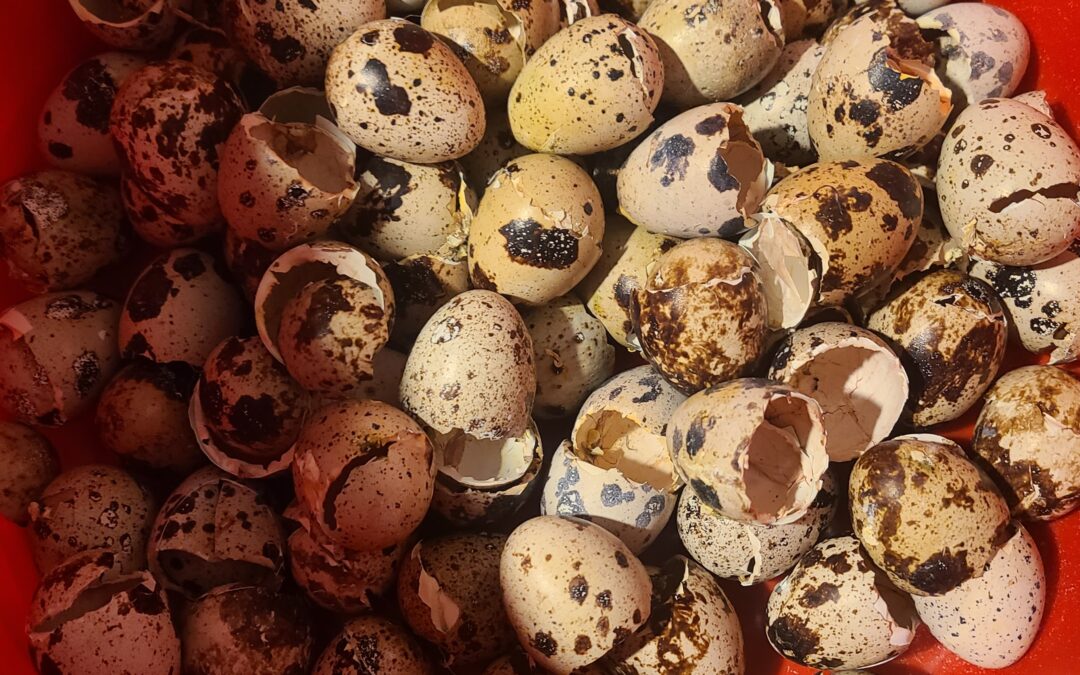
Most people crack an egg, toss the shell, and never think about it again.
But eggshells are one of the most overlooked resources in your kitchen. Instead of throwing them away, you can reuse them to support your garden, your compost, and even your own nutrition.
If you’re interested in low-waste living, sustainable food systems, or simply getting more value from what you already have, saving eggshells is an easy place to start.
Why Save Eggshells?
Eggshells are made mostly of calcium carbonate, along with trace minerals that can benefit soil, plants, and even animals.
Saving eggshells helps you:
- Reduce kitchen waste
- Add minerals back into your soil
- Support a more self-sufficient, closed-loop system
Instead of: food → waste → trash
You create: food → resource → soil → food
How to Prepare Eggshells
Before using eggshells, it’s important to clean and dry them properly.
Step-by-step:
- Rinse eggshells to remove any residue
- Let them air dry completely
- (Optional) Bake at 200°F for 10–15 minutes to fully dry and sanitize
- Crush or grind depending on use
- Coarse crush → garden & compost
- Fine powder → more bioavailable uses
How to Use Eggshells
🌱 1. Eggshells in the Garden
Using eggshells in the garden is one of the most common and effective methods.
- Add crushed shells to soil as a slow-release calcium source
- Sprinkle around plants to help deter soft-bodied pests
- Mix into planting holes for long-term mineral support
🪱 2. Add Eggshells to Compost
Eggshells break down slowly but provide valuable minerals over time.
For best results:
- Crush them first
- Mix evenly into compost
🐓 3. Feed Eggshells Back to Chickens or Quail
If you raise birds, eggshells can be reused as a calcium supplement.
- Bake and crush shells thoroughly
- Offer separately from regular feed
This helps support strong eggshell production.
🧪 4. Eggshell Calcium Extraction (Eggshell Vinegar)
Eggshells can also be used to make a simple calcium-rich extract using vinegar.
The acetic acid in vinegar reacts with the calcium in the shells to create calcium acetate, which is more bioavailable.
How to make eggshell calcium:
- Use clean, fully dried eggshells
- Lightly crush them
- Place in a glass jar
- Cover with apple cider vinegar
- Let sit for 24–72 hours
You’ll notice bubbling at first—this is the reaction occurring.
Strain once complete.
How it’s used:
- Added in very small amounts to water or food
- Used as a mineral supplement
- Incorporated into traditional or DIY wellness practices
Important:
Start small and pay attention to how your body responds. This is a concentrated source of minerals.
🍳 5. Can You Eat Eggshells?
Yes—but only when properly prepared.
Eggshells must be:
- Thoroughly cleaned
- Fully dried
- Finely ground into powder
Even then, they should be used in small amounts.
A Small Habit That Builds a Bigger System
Saving eggshells won’t transform your life overnight.
But it’s one of those simple habits that shifts how you think about waste, food, and resourcefulness.
Over time, small practices like this become the foundation of a more resilient kitchen—and a more intentional way of living.
FAQ: Saving and Using Eggshells
Can eggshells go in compost?
Yes. Crush them first to help them break down faster.
Do eggshells help plants grow?
They can provide calcium, but they work slowly. They’re best used as a long-term soil amendment.
Do eggshells deter pests?
They may help deter soft-bodied pests like slugs, but results vary.
Are eggshells safe to eat?
Only if cleaned, dried, and finely ground. Use cautiously and in small amounts.
Final Thought
Eggshells are easy to overlook—but they’re a small, powerful entry point into thinking differently about food and waste.
Once you start seeing them as a resource instead of trash, it becomes easier to build systems that give more back than they take.